

Our Most Popular Products
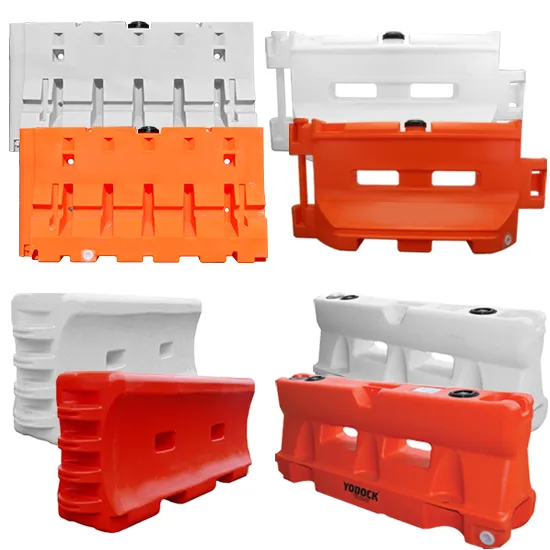
Water Filled Barriers
We offer a range of durable and versatile water-filled barriers designed for construction sites, traffic management, and pedestrian safety
Shop Water Filled Barriers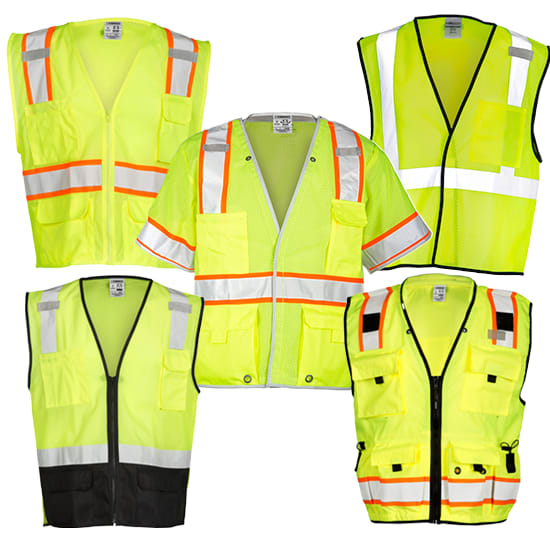
Safety Vests
Class 2 and Class 3 ANSI/ISEA 107-compliant, high-visibility vests designed to protect
Shop Safety Vests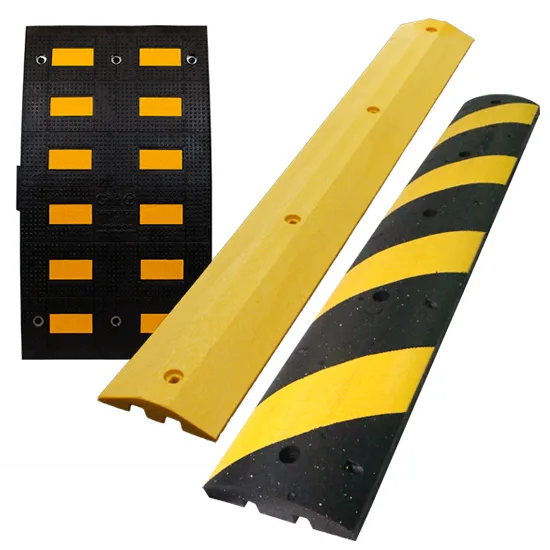
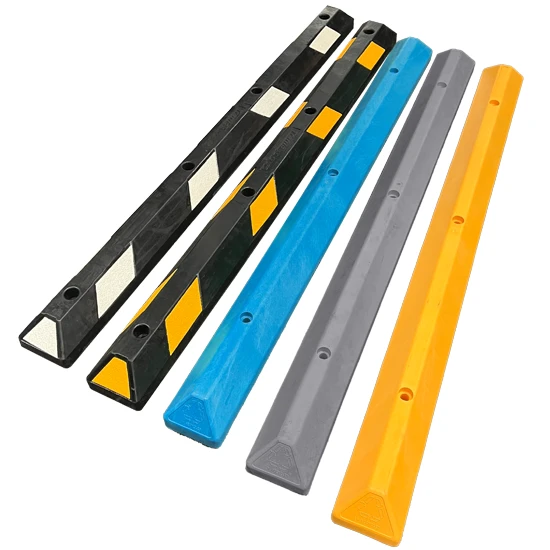
Speed Bumps & Humps
Rubber speed bumps, speed humps or plastic speed bumps in 6 foot or 4 ft lengths
Shop Speed Bumps & Humps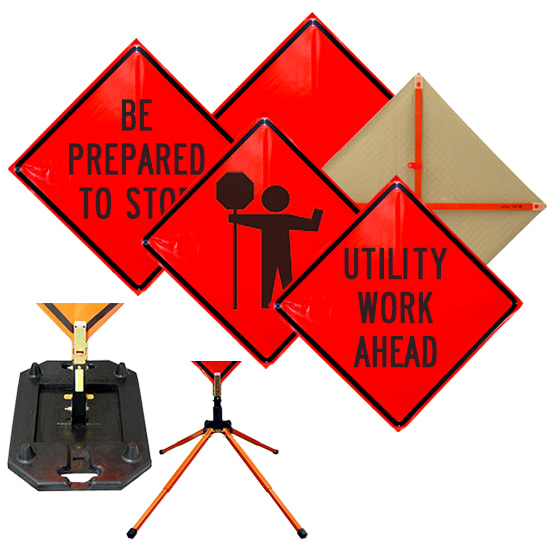
Roll-Up Construction Signs
Available in reflective and non-reflective heavy-duty vinyl. Over 40 standard MUTCD legends to choose.
Shop Construction Signs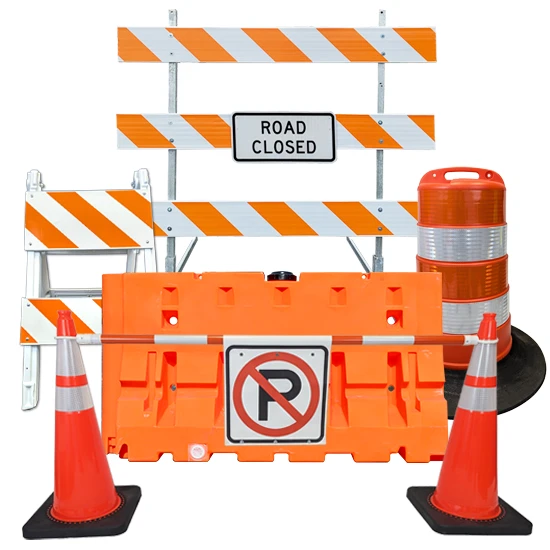
Traffic Barricades
A-frame, folding barricades, Jersey barriers, flashers & more for traffic control
Shop Traffic Barricades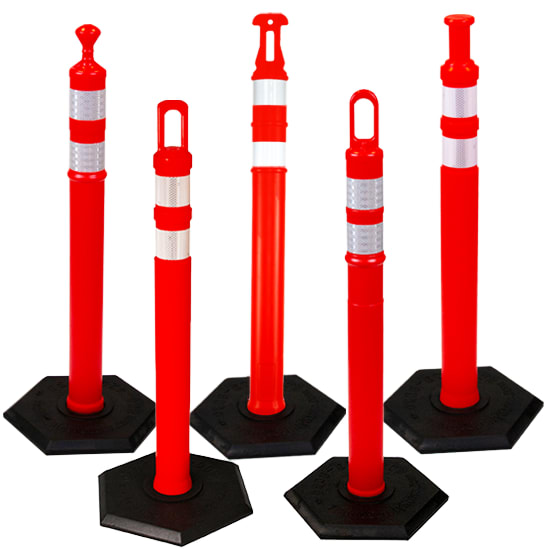
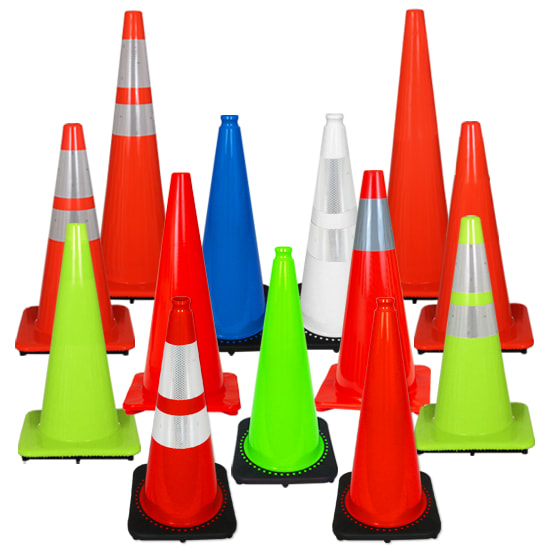
Delineators
Multiple styles, colors, and base weights. Durable for work zones, parking lots, and construction sites
Shop Delineators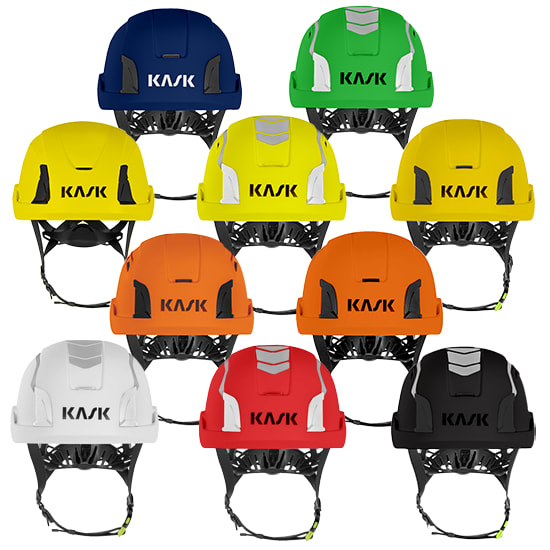
Kask Safety Helmets
Durable, ANSI-certified helmets for construction, industrial, and workplace safety. Lightweight, comfortable, and reliable
Shop Kask Safety Helmets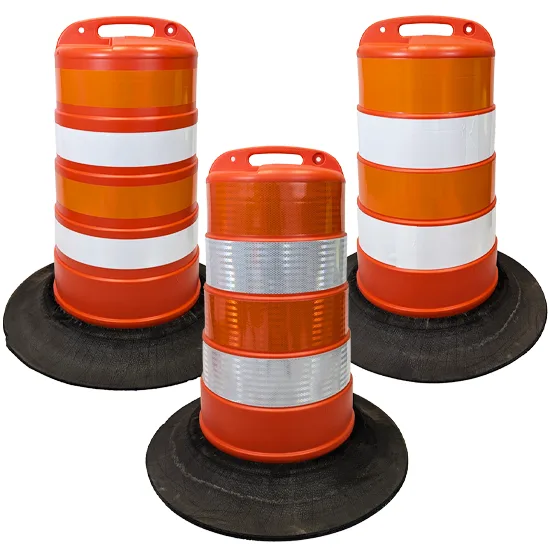
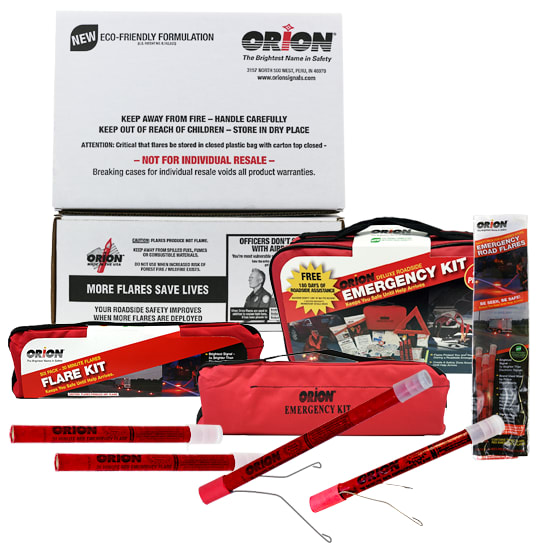
Orion Road Flares
We carry the full line of Orion Safety Flares for professional and individual use.
Shop Orion Road Flares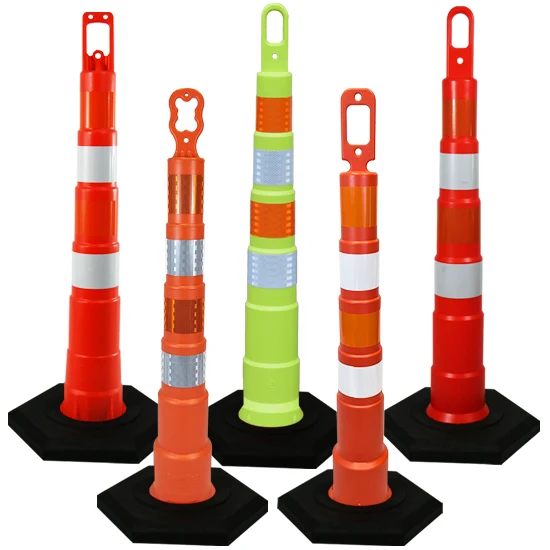
Channelizers
EZ Grab, Grip-N-Go, Looper Cones, and more. MUTCD-compliant, highly visible, fast shipping nationwide!
Shop ChannelizersShop By Category

Same Day Shipping
With the largest inventory of traffic safety supplies in the USA, 90% of orders ship the day they are placed. If you have an urgent need, please call us to discuss expedited options.

Live Customer Support
We encourage you to call us with any questions you may have. We are here to help Monday through Friday 8am-6pm Eastern.